 CoNabo
Share what you rarely use with the neighbours you choose.
Your building is full of things people use a few times a year. CoNabo helps neighbours borrow them, co-own them, and buy new only when nobody nearby has one.
Clickable prototype. Next: a pilot with friends. Progress
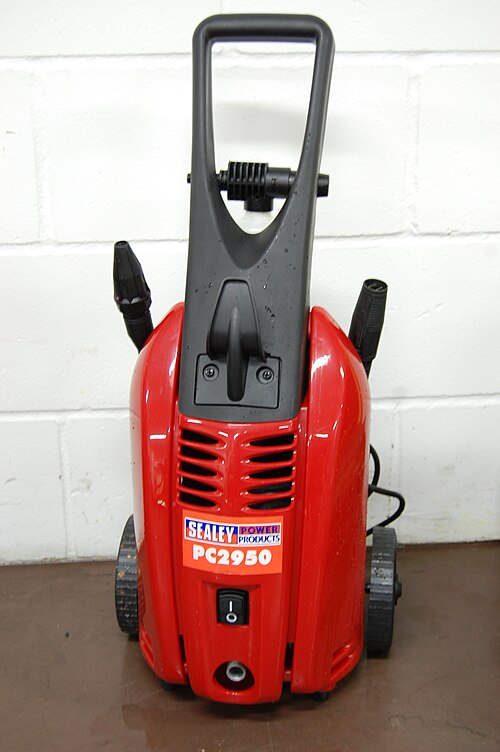 One pressure washer, 2,400 kr
- 1Borrow itFree. The app suggests a thanks, like the next soap refill.0 kr
- 2Use it a lot? Own a shareYour own days. Repairs split by ownership. Sell it back if you move.600 kra 25% share
- 3Nobody has one? Co-buyBuy a new one with neighbours.480 kr5 households
Borrow free, give back. Own what you use a lot.
Join with a code from your building's board or an invite link, or start your own community.
Free, with a thanks that fits
Borrow a neighbour's thing for free. The app suggests a thanks, so the owner never has to ask.
Using it often is fine. Leaning on a neighbour isn't.
Take a share: you get your own days, repairs are split, and the owner gets money back.
Move out: you sell it back.Buying it anyway? Buy it together.
Say "I want one too", anonymously. When enough neighbours want one, someone starts a co-buy and everyone pays their part.
Why would an owner share a nice thing?Free, but give back
Owners won't put a good thing out if everyone takes it for nothing, and an owner who asks for something looks stingy, so in practice nobody asks. CoNabo is neither a free-stuff app nor a rental shop:
- The app suggests the thanks. No prices. Ideas that fit the thing: the next soap refill for a pressure washer, new bits for a drill, a coffee or a cake.
- Heavy users own their part. After two uses in a year the app suggests taking a share, framed as fairness, not savings.
- Money back, or help. Selling three 25% shares in a 2,400 kr washer brings up to 1,800 kr back, and it stays at your door. A neighbour can also pay for a share with upkeep, repairs or storage space.
- No credits, no score. Only you see your give and take, plus a nudge at the right moment: "The neighbour who lent you the drill is looking for a ladder."
The owner always decides who borrows and when.
What does owning a share mean?A receipt, not a contract
- Who owns it
- Every thing has one registered owner, whose home insurance covers it.
- What you get
- Your own days on the calendar.
- How you pay
- A share is priced from what the thing is worth today. You pay the owner directly, for example by MobilePay, or with upkeep instead of money.
- The record
- A receipt everyone in the group can see: who paid what, and when.
- If it breaks
- A condition photo at every handover. Repairs are split by ownership; if it was your fault, you can take on more.
- If you move
- You sell your share back. It's optional and reversible; borrowing for free is always there.
How does a co-buy work?From "I want one too" to a shared thing
- The app checks the building first: if a neighbour already has one, you borrow or take a share instead.
- Neighbours who want one tap "I want one too", anonymously. Nobody has to organise anything yet.
- Anyone can start the co-buy and write the plan and house rules in their own words. The app adds plain notes as they write: what's vague, what's missing, what's easy to forget.
- Others join. The group meets, one person buys it and shares the receipt, and everyone pays their part.
- The thing gets a passport: registered owner, co-owners, receipt and rules.
Co-buys are only for things that last. Used-up things like groceries are split elsewhere.
How do you join?Three ways in
- I have a code
- Your building's board puts a note on the notice board with a code.
- I have an invite link
- A neighbour or friend sends you a link.
- Start a community
- Your building, a club, friends or roommates. You get an invite link to share.
Then three short steps: pick your door (buildings only), read how it works here, and add a few things you could share.
What holds it together
You choose who you share with
Not the whole building. You share with the neighbours you pick.
Private until you meet
Neighbours you haven't met see a track record, not your name or door.
A receipt, not a contract
Every thing has one registered owner. The app keeps a clear record of who paid what.
Fewer, better things
Sharing what already exists means less gets made.
We never hold your money
You pay each other, for example by MobilePay, and the other side taps when it has arrived.
Meet in person
The first handover is face to face, and we encourage meeting before any money changes hands.
Small decisions that make it workEach came from feedback or research
- Asking for something looks stingy
- The app suggests the thanks.
- Heavy users ride on one purchase
- After two uses: own your part.
- Credits rank people
- Private give and take, no score.
- A list of names feels like surveillance
- Private until you meet.
- A map of every door helps burglars
- A thing is placed at a door only once you know the owner.
- Hard rules sound like a landlord
- The owner's note, in their own words.
- Rules that sounded clear start fights
- Plain notes as you write: "'Be careful' is vague."
- Stars don't tell people apart
- A track record: handovers, claims, reply time.
- Nobody wants to organise a co-buy
- "I want one too" first, anonymously.
What we won't doTen things CoNabo is deliberately not
- Rent things out for money
- No prices on borrowing, no earnings from lending. Thanks are suggested, never charged.
- Hold or move money
- No wallet, no escrow, no card details. People pay each other and tick "I've paid" / "Got it".
- Write contracts or insure things
- One registered owner whose home insurance covers the thing, and a receipt everyone can see.
- Rate people
- No stars, no scores, no public ranking. Only what someone has actually done.
- Be a marketplace for strangers
- Things are shared inside your building, community or circle.
- Deliver or store things
- No couriers, lockers or depots. Handovers happen in person, at a door.
- Be a chat app or a feed
- Short requests with polite templates; no endless feed, no group chats.
- Show ads
- None. The one product suggestion is a labelled durable pick inside a co-buy.
- Split rent, bills or groceries
- Bill-splitting apps already do that well.
- Co-buy things that get used up
- CoNabo records who owns what over years; a can of tuna has nothing to share later.
The market wants every flat to own a drill. Your building needs one.
Much of what's sold today is built to be replaced. Sharing means fewer sales, longer use, and things that get fixed.
More of the evidenceNeighbours, care, scale and policy
- 17%
- of Danes know all their neighbours' names; 39% know none or only a few. Bolius/YouGov, 2023
- Owned things get looked after
- People look after what they own and neglect what they only access, so we build on co-owning. Bardhi & Eckhardt, 2012
- 97,529 co-op homes
- of 330,492 in Copenhagen. Every andelsforening has a volunteer board of neighbours. Københavns Kommune, 2021
- 60,400+ items
- shared from 22 sites by Library of Things in London. Hackney's sites averaged 47 loans a week each. Library of Things, 2024/25
- Right to repair
- The EU directive had to be national law by 31 July 2026: manufacturers must repair more of what they sell. Directive (EU) 2024/1799
The gap in Copenhagen's waste strategySharing is named, but not covered
Copenhagen's waste strategy for 2025–2030 says people should be helped to share, repair and pass on things. Its initiatives are reuse stations, swap events, school teaching and a fund for local projects. None of them helps neighbours use the same thing together.
Københavns Kommune, Ressource- og Affaldsstrategi 2030, theme 4
What we don't claimBeing honest about the numbers
We don't put a CO2 number on CoNabo. Money saved by sharing can be spent on other things: a UK food-sharing study found this cancels 59–94% of the CO2 saved. What we can say is that sharing what exists, and co-owning instead of buying alone, means fewer things get made.
Meshulam et al., Journal of Industrial Ecology, 2023
Questions people ask
Who's legally responsible?
We're a platform for easier social contracts: one registered owner per thing, and a clear record of who paid what. Home insurance usually covers your things while they're temporarily away from home, and the borrower's liability insurance covers damage they cause, but terms differ between insurers. We'll get an insurer's written answer before a pilot.
What if it breaks?
A condition photo at every handover. Repairs are split by ownership, and if it was your fault you can offer to cover more.
What about a difficult neighbour?
You only share with the people you choose. You can report or block a neighbour, and report a thing.
Isn't buying a share a big step?
It's optional and reversible: you sell it back if you move, and borrowing for free is always there. Nobody has studied buying into a neighbour's thing yet, so we'll measure it in the pilot.
What if everyone wants it on Saturday?
People skip a shared thing if they fear it won't be free when they need it, so the app plans for peaks from the start:
- Fair turns. Peak days, like summer Saturdays, rotate so nobody always wins.
- Real availability. Before you join, you see how often it was free.
- Short slots and a waitlist. Half a day for a drill, a weekend for a tent.
- Too busy? Add one. If it's fully booked too often, the app suggests co-buying a second.
Lamberton & Rose, Journal of Marketing, 2012; Akbar, Journal of Business Research, 2019
Will anyone start?
Every building needs one person to get the first groups going. A free app alone isn't enough: Peerby, a Dutch lending app, grew to 30+ cities and still had to restructure in 2018. That's why we start with one building, a champion and real offers.
Where we are
Four phases. Each starts only once the one before it works.
Now: a clickable prototype with made-up data, and a backlog of 63 work items, each tied to the phase that first needs it. Nothing is launched yet.
Pilot · Friends
Test the idea with friends: share things, take a share, receipts, the calendar, co-buying.
20 work itemsPilot · Building
One building we set up ourselves: the board's code, privacy, handovers in person, notifications.
+15 work itemsv1
Grows on its own: start a community, invite links, connect by code, plus the polish.
+23 work itemsv2
New kinds of sharing: hobby circles, a hand from a neighbour, roommates, the board chipping in.
+5 work itemsWhat's in each phaseAll 63 work items, in plain words
Pilot · Friends 20
- What's in the building
- Item passport
- The owner's note
- Borrow request
- Owner reply
- Take a share
- Check and confirm
- Receipt and MobilePay
- Co-owner calendar
- Your door
- Share something
- Pay with upkeep
- What the owner gets back
- Co-buy proposal
- Wanted: I want one too
- Join a co-buy
- Co-buy something new
- Co-buy savings
- Ask first: does a neighbour have one?
- Run the co-buy
Pilot · Building (MVP) +15
- Board invite and code
- Pick your door
- Quick inventory
- Notifications
- Today
- Search the building
- Knock card, meet first
- Condition photo
- QR handover
- Return
- Neighbour track record
- Private until you meet
- Report and block
- Delete your account
- How it works here
v1 +23
- Start a community
- Three ways in
- Invite links
- Where things are now
- Floor by floor
- Borrow, co-own, co-buy
- Fair-share nudge
- Handover log
- Message templates
- Saturday turns
- Waitlist
- Repair split
- Leave it better, say thanks
- Neighbours you know
- Connect by code or in person
- Meet before money
- Leave a share
- Ways to give back
- Private give and take
- House rules in your words
- Notes as you write rules
- How we share here
- Why we do this
v2 +5
- The board chips in
- Hobby circles
- Ask for a hand
- Roommates: who paid what
- Durable pick
How it could growOne building first, then outward
- One building
- First things co-owned. Sharing happens every week. Groups run without us.
- The courtyard
- Several associations around one gård share through the app.
- A neighbourhood
- Boards in one neighbourhood adopt it.
- Copenhagen
- The app pays for itself.
- Other cities
- Aarhus and Odense, then Nordic cities with co-op housing like Oslo and Stockholm.
It spreads two ways: through housing boards and community managers, which brings trust, and neighbour to neighbour, through a stairwell poster with a real offer, invite links, courtyard parties and hobby groups. Either way density counts: 20 users in one building beat 200 spread across the city.
How it's fundedOur own company, backed by grants and funds
CoNabo is planned as our own company, funded by grants and funds for the pilots. It isn't run by or sold to the kommune.
- Lokaludvalg puljer
- Copenhagen district funds for local community projects. Good for a pilot's events and materials.
- KK Inspirationskvarterer
- The fund in the city's 2030 waste strategy for local projects.
- Realdania
- Foundation for the built environment and local communities, with open calls for grassroots projects.
- Innovationsfonden
- Innofounder and, later, Innobooster.
Who we are

Jakub Szura
Product owner who builds. Ran the AI product team at RISMA Systems. BSc Medialogy, Aalborg.
jakubszura.com
Martin Karlík
Software engineer building AI for image, text and audio. MSc Human-Centered AI, DTU.
LinkedIn
Géza Lőrincz
Backend engineer at Podimo, ex-Pleo. Helped scale Voi's scooter sharing in Aalborg. MSc, CBS.
LinkedIn
David Mockovsky
E-commerce and UX. MSc Medialogy, Aalborg, with design, VR and 3D experience.
LinkedInGet in touch
Questions, a building that could pilot it, or ideas: write to us.